Comparative Digital SLR Lens Review: Fast, Wide Aperture Lenses
Field Test Report
Peter Burian tests five lenses with great light gathering ability: the Canon EF 70-200mm f/4L IS USM, Tamron AF 70-200mm f/2.8 Di LD (IF) Macro, Tokina AF 50-135mm f/2.8 AT-X Pro DX, Nikon 17-55mm f/2.8G ED-IF AF-S DX and the Sigma AF 30mm f/1.4 EX HSM DC
Because most digital SLR camera owners demand compact, lightweight lenses, the vast majority of zooms feature a small maximum aperture. A typical kit lens is designated as f/3.5-5.6 indicating that the maximum aperture is quite small at the short end and becomes very small at longer focal lengths. In practical terms, that translates to moderate light gathering ability. The larger the numeral the smaller the opening in the lens and the less light that will reach the camera’s digital sensor.

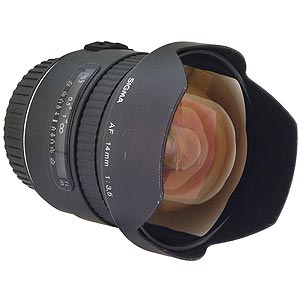
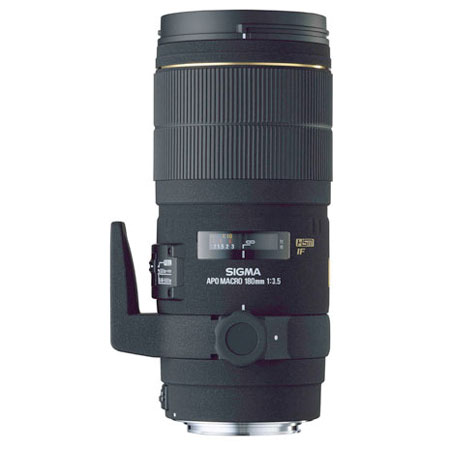 If you own or have used this lens, let us know what you think! Leave your comments and thoughts below.
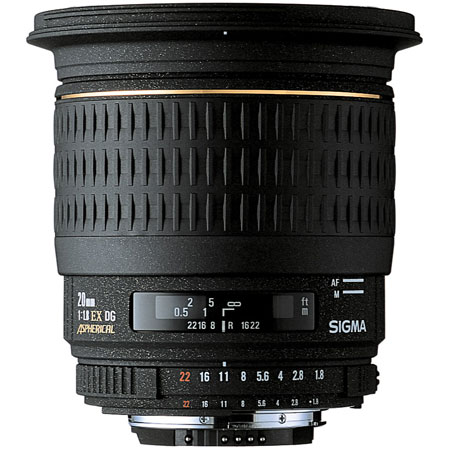
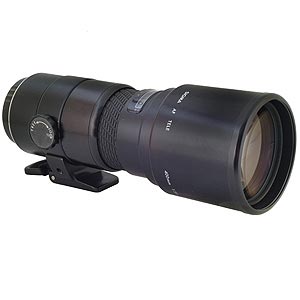
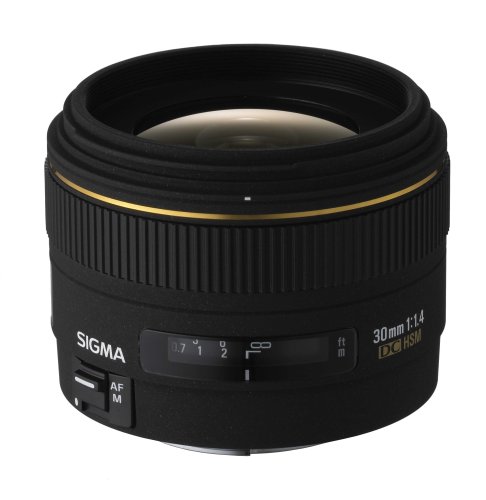 If you own or have used this lens, let us know what you think! Leave your comments and thoughts below.